Blogs

Notes on Five Element acupuncture, Chinese medicine, and how to care for yourself between visits.

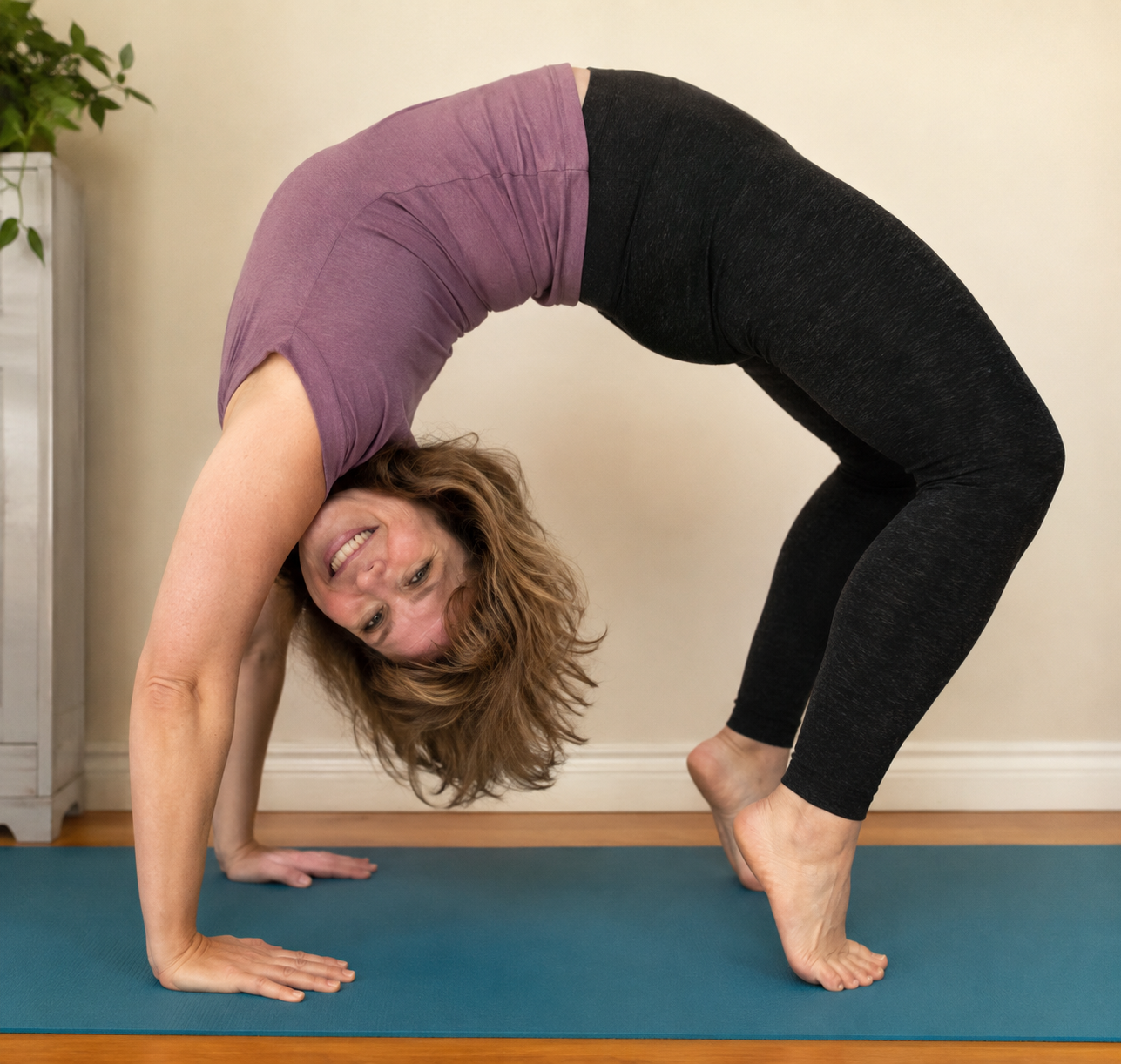
A woman stretching into a backbend on a yoga mat

01

Stretching After Acupuncture

Stretching is essential after your acupuncture treatment. Acupuncture or massage can leave you feeling energized and refreshed. That's golden — but be mindful of your fresh energy. If you rush out to exercise, you could unravel some of the good your treatments are doing in your body. Instead, use stretching to extend the health benefits you gain from your visit.

Avoid exercise for 24 hours after treatments, but don't melt into your couch either. Stretching is essential after your acupuncture, massage, cupping, and other treatments. Your treatments already increase blood flow to muscles — stretching afterward keeps the blood moving and the relaxed yet energized feeling alive.

Stretching benefits more than muscles, too. It engages connective tissue that links muscles, bones, blood vessels, and organs, writes Dr. Helene Langevin, director of the National Center for Complementary and Integrative Health. She notes that massage and acupuncture have beneficial tissue-stretching components.
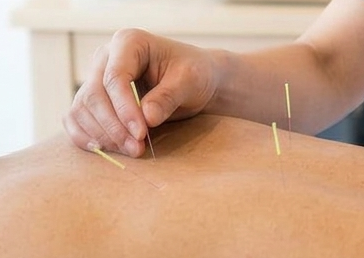
Acupuncture needles being placed along the back

02

The Flow of Qi

Acupuncture is part of the ancient practice of Traditional Chinese medicine. Traditional Chinese medicine practitioners believe the human body has more than 2,000 acupuncture points connected by pathways, or meridians. These pathways create an energy flow — Qi, pronounced "chee" — through the body that is responsible for overall health. Disruption of the energy flow can cause disease.

By applying acupuncture to certain points, it is thought to improve the flow of Qi, thereby improving health. Studies have shown that acupuncture is effective for a variety of conditions.

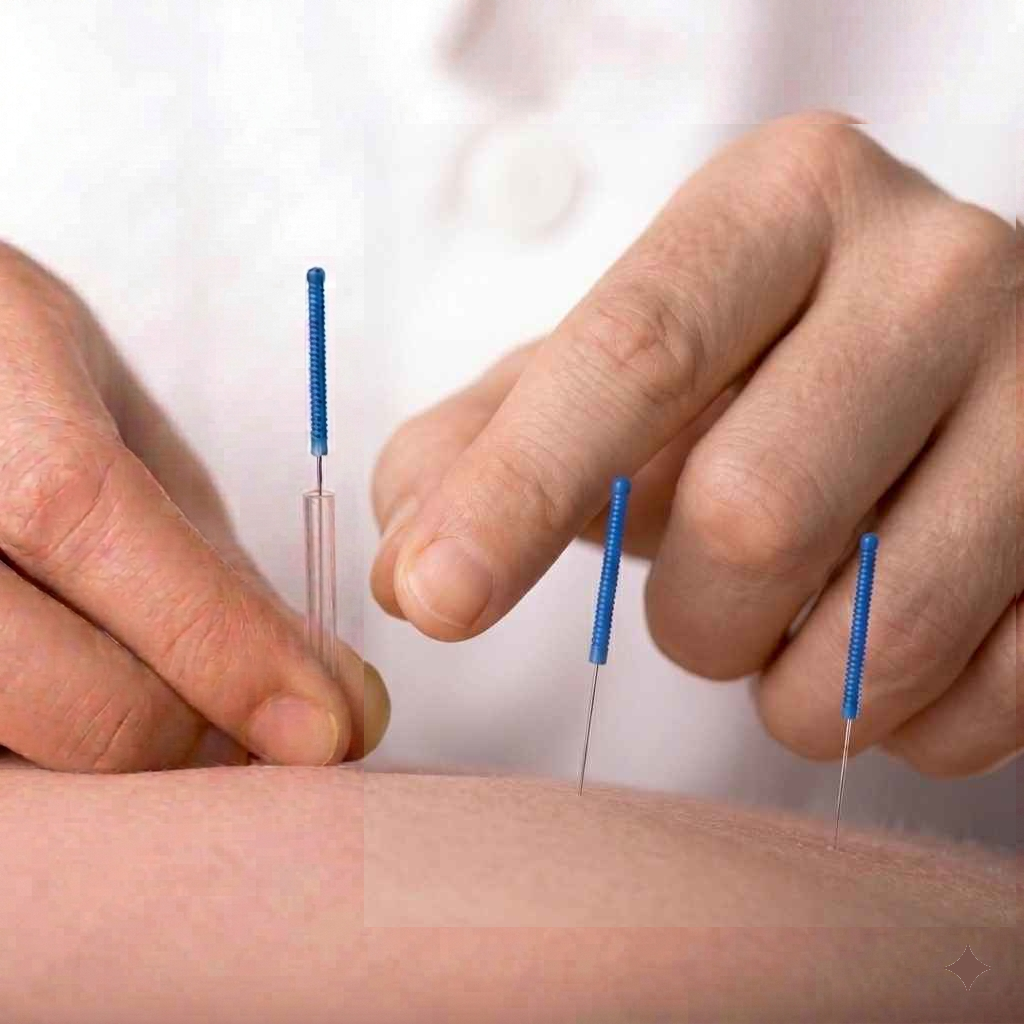
Close-up of a hand placing an acupuncture needle

03

Acupuncture by the Numbers

According to the World Health Organization, acupuncture is used in 103 of 129 countries that reported data.

In the United States, data from the National Health Interview Survey showed a 50 percent increase in the number of acupuncture users between 2002 and 2012. In 2012, the most recent year for which statistics are available, 6.4 percent of U.S. adults reported they had used acupuncture, and 1.7 percent reported they had used it in the past 12 months.

Historical acupuncture meridian chart with annotations

04

The Ancient Origins of Acupuncture

Acupuncture's origins in China are somewhat unknown and mystical. The most popular explanation for its birth is that soldiers wounded in battle by arrows were believed to have been cured of chronic afflictions — otherwise untreated — by riddling their bodies with needles and knives. Sharpened stones known as Bian shi have been found in China, suggesting the practice may date to the Neolithic, or possibly even earlier in the Stone Age. Hieroglyphs and pictographs dating as far back as the Shang Dynasty (1600–1100 BCE) suggest that acupuncture was practiced alongside moxibustion, placing it among the oldest practices of medicine.

It wasn't until the 2nd century BCE, during the Han Dynasty, that stone and bone needles were replaced with metal ones. The earliest records of acupuncture appear in the Shiji (史記, or Records of the Grand Historian), with references in later medical texts. The earliest Chinese medical text to describe acupuncture is the Huangdi Neijing, the legendary Yellow Emperor's Classic of Internal Medicine, compiled around 305–204 BCE.

Around ninety works on acupuncture were written in China between the Han and Song Dynasties, and in 1023 the Emperor Renzong of Song ordered the production of a bronze statuette depicting the meridians and acupuncture points then in use. After the end of the Song Dynasty, however, acupuncture and its practitioners began to be seen as a technical rather than scholarly profession — it became rarer in the following centuries, supplanted by medications and associated with the less prestigious practices of shamanism, midwifery, and moxibustion.

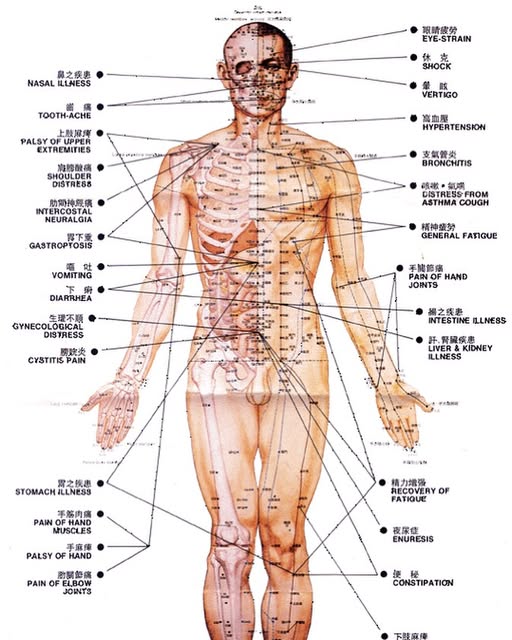
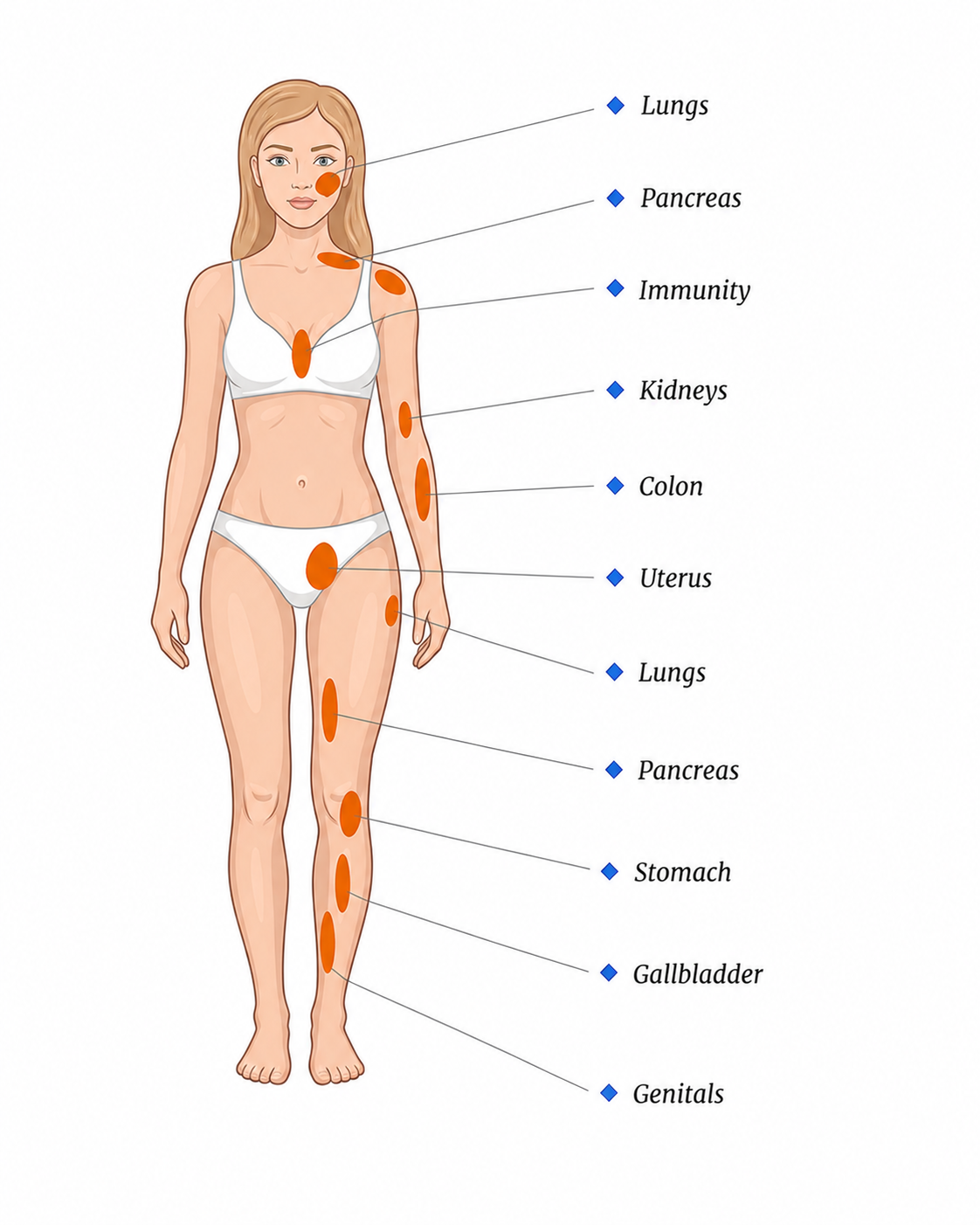
Illustration of acupuncture points and internal organ projections on the body

05

Mapping the Body's Points

Acupuncture points on the human body correspond to the projection of the internal organs — a map built over centuries of clinical observation, connecting the surface of the body to the systems working beneath it.

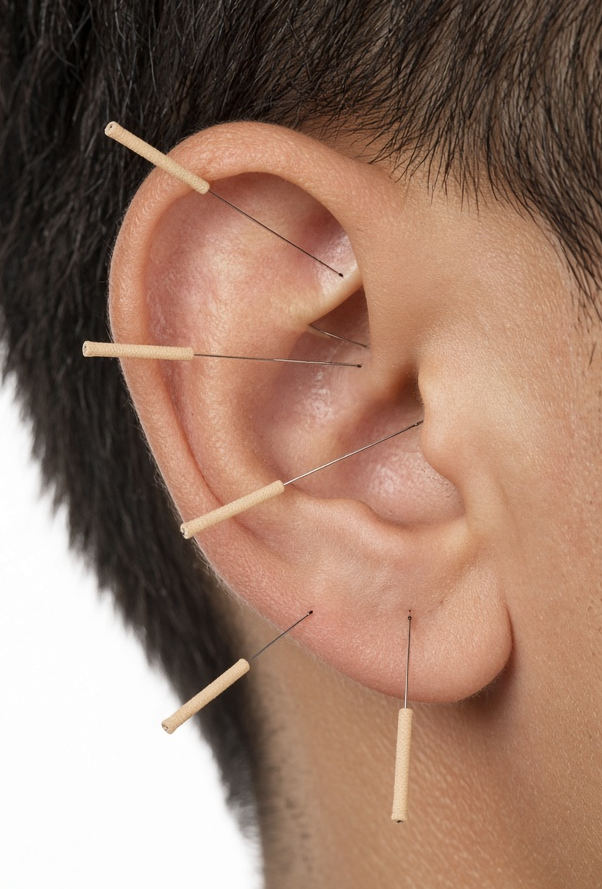
Diagram of acupuncture needles placed at points around the ear

06

Ear Acupuncture

Ear acupuncture involves placing acupuncture needles into specific points around the ear. These points are believed to correspond with specific organs, emotions or sensory feelings.

07

What Your Pulse Tells Your Acupuncturist About Your Health

Understanding Pulse Diagnosis in Traditional Chinese Medicine (TCM)

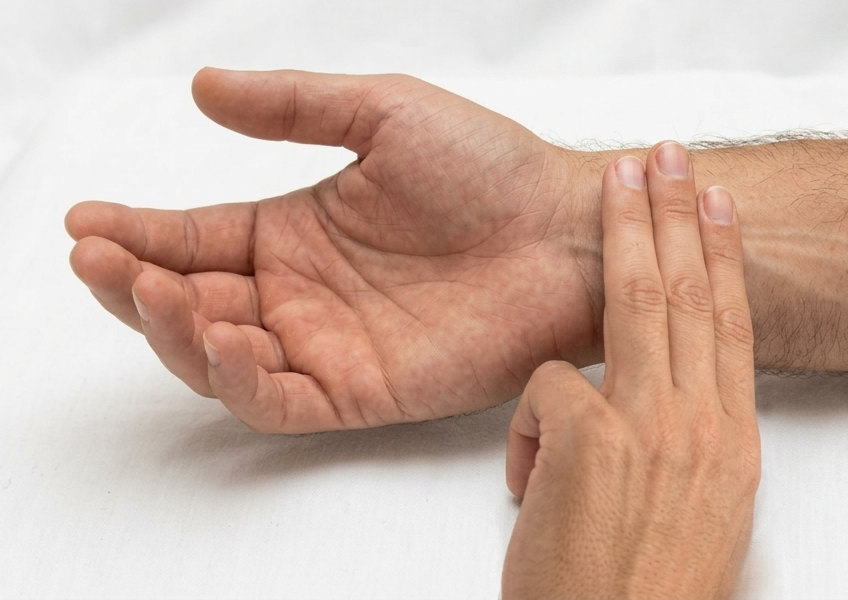
Acupuncturist performing pulse diagnosis on a patient's wrist

In Traditional Chinese Medicine (TCM), pulse palpation—an examination in which a practitioner takes a patient's pulse—is a key component to diagnosing imbalances and viewing a person's overall health.

Believe it or not, there are twenty-eight different qualities of pulses that can be felt on the wrists. Each quality gives the practitioner different information. The goal of pulse diagnosis is to determine the state of the internal energy and organ systems that allow our bodies to either thrive and function, or weaken and decline. A pulse can indicate the cause of illness, what steps to take to resolve the situation, as well as the prognosis for recovery.

How It Works

Three fingers (the index, middle, and ring finger) are placed over the radial artery of each wrist. Each finger rests on a different part of the pulse—front, middle, and rear. Within each position lie three distinct levels: superficial, middle, and deep.

Wrist Positions & Organ System Map

Right Wrist Positions

  • Front: Lung & Large Intestine
  • Middle: Stomach & Spleen
  • Rear: Kidney (Yang) Energy

Left Wrist Positions

  • Front: Heart & Small Intestine
  • Middle: Liver & Gallbladder
  • Rear: Kidney (Yin) Energy

Key Pulse Attributes

Besides the pulse rate, practitioners evaluate four essential attributes during a reading to diagnose pathogenic invasions, structural weaknesses, excesses, or underlying body imbalances:

Width Length Depth Quality

Traditional Chinese Medicine Wellness & Educational Guide

08

Acupuncture & Acupressure

AcupunctureAcupressure
A form of ancient Chinese medicine using needles and acupoints on the body. A form of ancient Chinese medicine using the pressure applied by body parts to the acupoints on the body.
Acupuncture should be performed by a trained person who is licensed to use the needles. Acupressure, using parts of the body to press on the pressure points, can be performed by an individual in their own home.
Acupuncture reaches deeper into the meridians giving a deeper sense of healing. Acupressure is more of a treatment on the surface of the body using pressure on specific points of the body externally.
Acupuncture is more complex and even though home kits are made available they have to be authorised under the supervision of an acupuncturist. Acupressure can be learnt through demonstration and via access to video online instruction.

09

Acupuncture Helps

  • Reduce headache & migraines
  • Improve chronic back pain
  • Treat insomnia
  • Improve recovery from cancer & chemotherapy
  • Prevent cognitive decline
  • Support postpartum health
Acupuncture treatment with needles
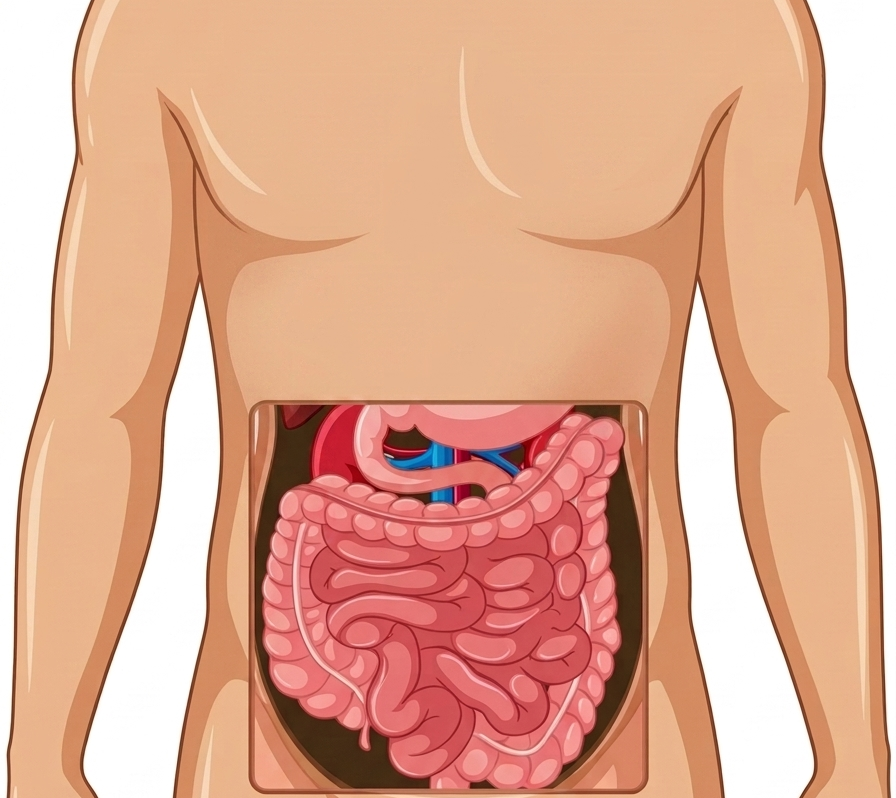
Illustration of the abdominal digestive organs

10

Digestive Points

5 Acupressure Points for Gas and Bloating

  • Zusanli (ST36) — on the stomach meridian, thought to influence the upper abdominal organs, the parasympathetic nervous system, and overall energy. Located roughly 3 inches below the kneecap, about 1 inch toward the outer edge.
  • Sanyinjiao (SP6) — on the spleen meridian, believed to influence the lower abdominal organs and the parasympathetic nervous system. Located roughly 3 inches above the bone of the inner ankle.
  • Qihai (CV6) — on the conception vessel meridian, thought to influence the lower abdominal organs and overall energy. Located roughly 1½ inches below the navel.
  • Zhongwan (CV12) — also on the conception vessel meridian, believed to influence the upper abdominal organs and yang organs including the bladder and gallbladder. Located roughly 4 inches above the navel.
  • Weishu (BL21) — on the bladder meridian, thought to influence abdominal pain and gastrointestinal disorders. Located roughly 6 inches above the small of the back and 1½ inches outward on either side of the spine.

To massage any of the points: place one to two fingers on the point, move in a circular motion using gentle, firm pressure, and massage for 2–3 minutes, repeating on the other side.